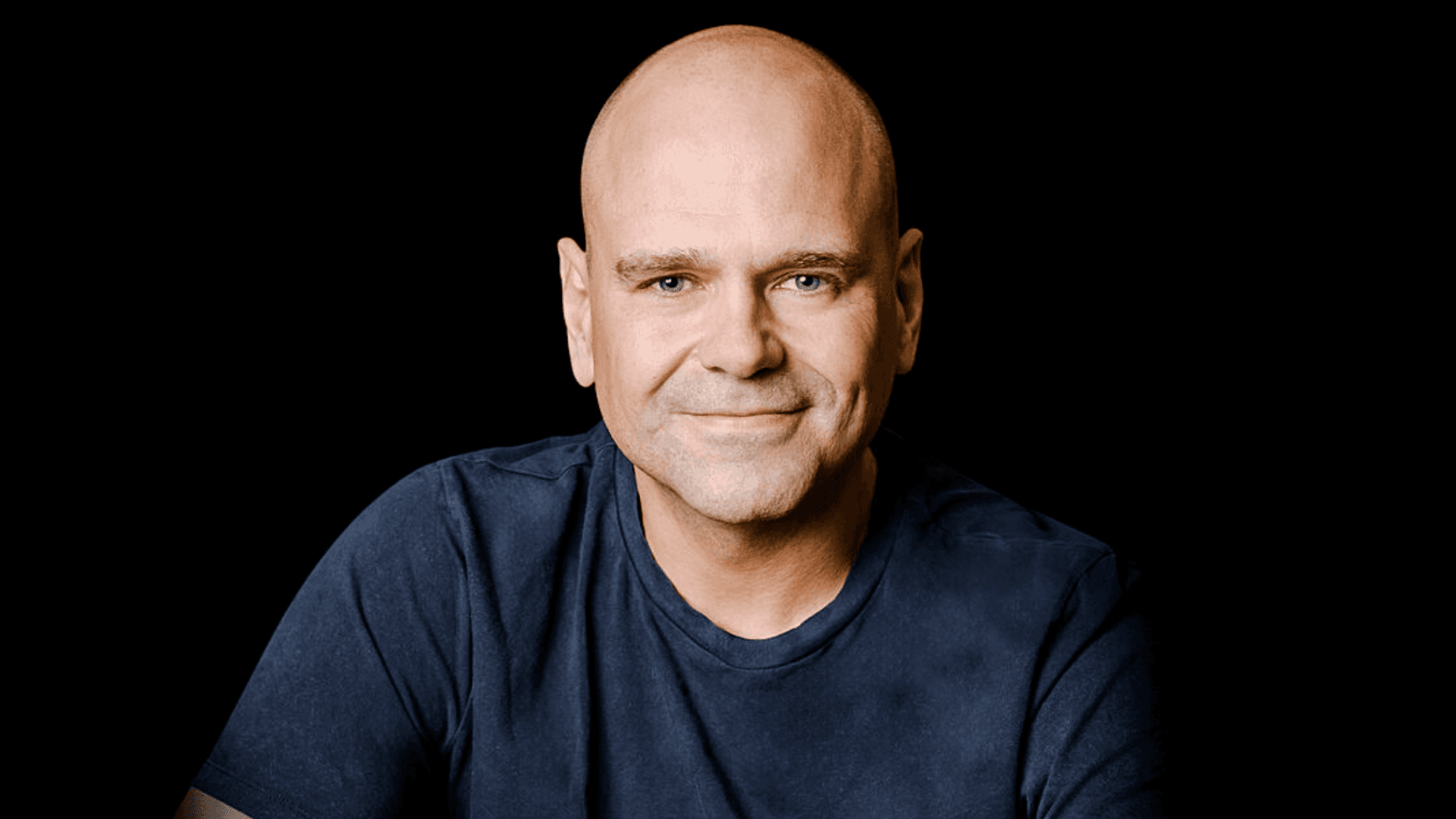
Why a VUCA World Needs Jim Collins's 20 Mile March
Bestselling author’s concept on importance of business discipline


Strategy
Dealing with change, most businesses might not turn to “steady progression” as a solution to their challenges.
But Jim Collins’s 20 Mile March concept can help in a VUCA world (one which is volatile, uncertain, complex, and ambiguous).
As the renowned business researcher and author ("Good to Great," "Great by Choice," "Built to Last") Jim Collins said in one of his best leadership quotes:
"We must exert self-control in a world that is out of control. 20-mile march, 20-mile march, 20-mile march, day in day out."
Below we discuss: What is Jim Collins's 20 Mile March concept? And, Why is it so relevant in this VUCA world?
Jim Collins's 20 Mile March Concept
Already renowned as the bestselling author of “Good to Great,” Jim Collins introduced the concept of the "20 Mile March" in his book "Great by Choice" co-written with Morten Hansen.
In a nutshell, it suggests that to achieve long-term success, individuals and organisations must set and maintain consistent performance goals, regardless of external circumstances.
The 20 Mile March Story
The concept of the "20 Mile March" has its roots in the harrowing 1911 true story of two polar exploration teams, led by Robert Falcon Scott and Roald Amundsen, racing to be the first to reach the South Pole.
Amundsen was a firm believer in consistent progress and his team covered precisely 20 miles every day, no matter the weather or circumstances.
In contrast, Scott's team pushed themselves to exhaustion during good weather and hunkered down during storms.
Tragically, Scott and his team perished on their return journey, just 11 miles short of a vital supply depot.
Amundsen, on the other hand, reached the South Pole and returned safely, proving that disciplined, consistent progress could mean the difference between life and death, success, and failure; a lesson that remains relevant in our VUCA world today.
Key Components of the 20 Mile March
So, why is this example of success and failure in treacherous conditions so relevant to those aspiring to becoming Level 5 Leaders and/or our organisations today? Let’s break it down.
Consistent Milestones
The 20 Mile March involves setting clear and achievable performance goals that you commit to hitting consistently. These goals are neither too aggressive nor too conservative, but just right for your circumstances. In the companies studied for "Great by Choice," 10X companies did everything they could to meet targets year after year—no excuses.
Self-Imposed Constraints
To ensure discipline and prevent overextension in good times or underperformance in bad times, the 20 Mile March imposes self-discipline. It means not chasing short-term gains that may jeopardise long-term stability.
Sustainable Pace
The march emphasises maintaining a steady, sustainable pace over the long haul, rather than trying to sprint ahead. It promotes a balance between pushing limits and ensuring survival.
Relevance in a VUCA World
Change management is not easy, so you want to maximise the rewards from any changes you do make. Given most organisations will need to transform again and again in this challenging world, how does the 20 Mile March concept apply?
Let's begin with Jim's own words:
"Financial markets are out of your control. Customers are out of your control. Earthquakes are out of your control. Global competition is out of your control. Technological change is out of your control. Most everything is ultimately out of your control. But when you 20 Mile March, you have a tangible point of focus that keeps you and your team moving forward, despite confusion, uncertainty, and even chaos."
So, how does consistent effort keep you moving forward?
Mitigating Risk
In a VUCA world, unpredictability can lead to reckless decision-making. The 20 Mile March acts as a stabilising force by encouraging organisations to set limits on risk-taking, preventing them from going too far outside their comfort zones.
Building Resilience
Consistency in performance helps organisations build resilience. By achieving regular milestones, they are better prepared to weather the storms of volatility and uncertainty.
Cultivating Adaptability
While the 20 Mile March promotes consistency, it doesn't mean rigidity. In fact, it allows for flexibility within a structured framework. Organisations can adjust their march as conditions change, adapting without losing sight of their long-term objectives.
.
Examples of the 20 Mile March
3M
3M's 20 Mile March centres around continual innovation. It has a “30/4 rule” stating that as much as 30% of the company's profit must come from products developed within the past four years, an approach designed to increase innovation speed. According to reports, every year, the company invests around $1 billion in research and development (R&D), which accounts for 6% of its revenue.
Amazon
Amazon's relentless customer focus is a testament to the 20 Mile March. Amazon's mission is to be Earth's most customer-centric company (“Leaders start with the customer and work backwards”). While they continually innovate, they remain committed to delivering on their core promise of convenience and selection, never overextending themselves to the point of jeopardising long-term sustainability.
Toyota
Toyota's approach to quality and continuous improvement (its famous “kaizen”) aligns with the 20 Mile March. They maintain a rigorous focus on quality and consistency in their manufacturing processes, even as they adapt to changing market demands.
Summary
It’s a huge challenge to be running an organisation in a VUCA world. It’s also an opportunity to watch competitors fall away as you continue your own 20 Mile March of achieving sustainable success.
You can use the discipline and cadence of your 20 Mile March to navigate uncertainty, and without losing sight of your long-term goal.
By setting consistent milestones, imposing self-discipline, and maintaining a sustainable pace, businesses can build resilience and thrive in the face of constant change. Nobody, least of all Jim Collins, would say this was an easy task.
But, as the world continues to evolve, embracing the principles of the 20 Mile March may be the key to enduring success.
Invest in Your Learning With Membership to Growth Faculty
If you're serious about enhancing your team's performance, we invite you to join the Growth Faculty.
Membership offers access to the world's brilliant thinkers, their tools and resources, and fresh insights to help you build a culture of clarity and execution excellence.
Photo by Tobias Cornille on Unsplash
Upcoming Learning
Who's Up Next?We're continually sourcing the world's greatest minds for your business success, so subscribe today for event updates, business ideas, leadership tips and tools for growth.
Related Articles